
Common Targeting Mistakes to Avoid: Practical Guide
Learn the most common targeting mistakes and practical tips to run more effective advertising campaigns.


SMM strategist, content marketer

Targeted advertising is a cornerstone for businesses aiming to reach their audience effectively. Yet, many marketers fall into common pitfalls that waste budget and reduce campaign performance. This article highlights the most frequent targeting mistakes and offers actionable advice to avoid them. You will learn how to accurately define your audience, choose the right platforms, manage your budget, and leverage tools like Facebook Ads Manager and Google Analytics for better insights. Whether you're a beginner or looking to refine your skills, these practical tips will help you optimize campaigns and achieve measurable improvements from the start.
Contents
- Identifying Your Target Audience Correctly
- Choosing the Right Advertising Platform
- Avoiding Competitor Analysis Neglect
- Fixing Targeting Setup Mistakes
- The Importance of A/B Testing Creatives
- Managing Your Advertising Budget Efficiently
- Setting and Tracking Clear KPIs
- Optimizing Remarketing Campaigns
- Targeting Mobile Audiences Effectively
- Analyzing and Optimizing Campaign Performance
- Crafting Clear and Persuasive Ad Copy
- Leveraging Analytics Tools Properly
- Controlling Ad Frequency to Prevent Fatigue
- Conclusion
Identifying Your Target Audience Correctly
Проблема неправильного визначення цільової аудиторії часто приводить до марних витрат бюджету та низької ефективності рекламної кампанії. Новачки зазвичай роблять помилку, орієнтуючись на занадто широку аудиторію, сподіваючись таким чином охопити більше потенційних клієнтів. Логіка проста: без чіткого розуміння потреб і поведінки користувачів рекламу витрачають на тих, кому продукт нецікавий.
Наприклад, компанія, що продає професійне програмне забезпечення, спочатку націлювалась на всіх користувачів IT-сфери. Результат , низький рівень конверсій і перевитрата бюджету. Після сегментації на ключові ролі (аналітики, розробники, менеджери) і використання сервісу Google Analytics для аналізу поведінки, кампанія скоротила витрати на 30%, натомість підвищила конверсії. Ще один випадок , інтернет-магазин жіночого одягу, який не врахував вікові групи. В результаті реклама демонструвалась і молодим, і літнім, що знизило CTR. Після розподілу аудиторії за віком і використання Facebook Audience Insights з фокусом на найбільш активну групу 25–35 років, конверсії зросли на 40%.
Щоб уникнути таких помилок, пропоную: 1. Провести детальний аналіз потенційних клієнтів з урахуванням демографії, поведінки і мотивації. 2. Використовувати аналітичні інструменти (Google Analytics, Facebook Audience Insights) для підтвердження гіпотез. 3. Тестувати сегменти поступово, щоб уникнути великих витрат на неперевірені аудиторії.
Саме цей підхід дозволяє звузити таргетинг, підвищити релевантність і знизити втрати бюджету. Мені часто доводиться бачити, як ті, хто нехтує цим кроком, просто «викидають гроші на вітер». Не повторюйте цих помилок , сегментуйте цільову аудиторію з повагою до даних і логіки.
Choosing the Right Advertising Platform
Many targetologists make a critical mistake by choosing an advertising platform based on popularity or intuition rather than data. This approach leads to wasted budgets and poor results. It’s essential to assess whether the chosen platform aligns with your goals and audience profile. For instance, Instagram suits visual products and a younger demographic, while LinkedIn is effective for B2B markets. A common rookie mistake is launching ads on all platforms at once without proper segmentation, which dilutes focus and lowers conversion rates.
Consider two cases. First: a cosmetics startup targeted Facebook and Instagram, using Facebook Ads Manager analytics to narrow the audience by interests and age, resulting in a 30% increase in conversions. Second: an IT company launched a TikTok campaign without audience research and lost budget because their clients are on LinkedIn. The takeaway is clear , conduct a thorough audit of your audience and goals before choosing a platform. Practical steps: 1) define your target customer’s profile and needs, 2) compare platform audiences by demographics, 3) employ analytics tools like Google Analytics and Facebook Ads Manager to verify effectiveness. This approach optimizes spending and maximizes outcomes. In my experience, this isn’t a luxury but a necessity,otherwise, you’re just throwing money away.
Avoiding Competitor Analysis Neglect
Ігнорування аналізу конкурентів – одна з найпоширеніших помилок таргетологів, що призводить до витрат бюджету на неефективні кампанії. Коли не розумієш, як поводяться конкуренти, легко повторювати їхні промахи або пропускати можливості для диференціації. Наприклад, новачок запускав рекламу без аналізу конкурентів і втрачав трафік через схожі креативи, що вже набридли аудиторії. Відкладення цього кроку часто пов’язане з думкою, що це зайвий час або ресурси, але це оманливо.
Практичний алгоритм: 1) Визначте 3–5 основних конкурентів у вашій ніші. 2) Оцініть їхні рекламні оголошення, цінові пропозиції, цільові аудиторії за допомогою Facebook Ads Library або SimilarWeb. 3) Визначте, що працює у них, а що ні: які креативи збирають реакції, які меседжі викликають відгук, де є прогалини. 4) Використайте ці дані для створення унікальних пропозицій і тестування нових гіпотез.
Наприклад, одна компанія зрозуміла, що конкуренти не звертають увагу на молодіжний сегмент, і сфокусувалась на ньому, отримавши 30% зростання CTR. Інша ж виявила, що більшість конкурентів ігнорує ремаркетинг, і саме через це зуміла збільшити конверсії на 25%. Чому це працює? Бо конкурентний аналіз дає змогу не лише копіювати, а й знаходити незайняті ніші. Залишати цей етап поза увагою – значить працювати всліпу. Візьміть за правило регулярно оновлювати дані, і помилки, пов’язані з нерелевантною рекламою, стануть рідкістю.
Fixing Targeting Setup Mistakes
One of the most common mistakes in targeting setup is choosing an audience that is either too broad or too narrow. This inevitably leads to wasted budget: either the ads reach uninterested users or potential clients are missed. For example, a company ran a campaign targeting "all of Ukraine" and got poor conversion rates. After segmenting by regions with the highest demand, they cut costs by 30% and doubled the number of inquiries.
Another typical mistake is incorrect combination of interests and demographic parameters. Beginners often overload settings with conflicting criteria, causing the ad system to either rarely show ads or not show them at all. The fix is step-by-step audience testing: start with one or two key traits, then adjust based on analytics. Facebook Ads Manager and Google Ads are useful here, providing clear insights on reach and frequency.
Remember: targeting works best when it’s precise and logical. The "more is better" approach backfires. Your practical steps: 1. Identify the most specific audience characteristics. 2. Launch a test campaign with minimal parameters. 3. Analyze results and adjust settings gradually.
This approach helps avoid typical risks and saves budget. The key is not to fear mistakes but to quickly detect and fix them, otherwise, spending grows while results remain doubtful.
The Importance of A/B Testing Creatives
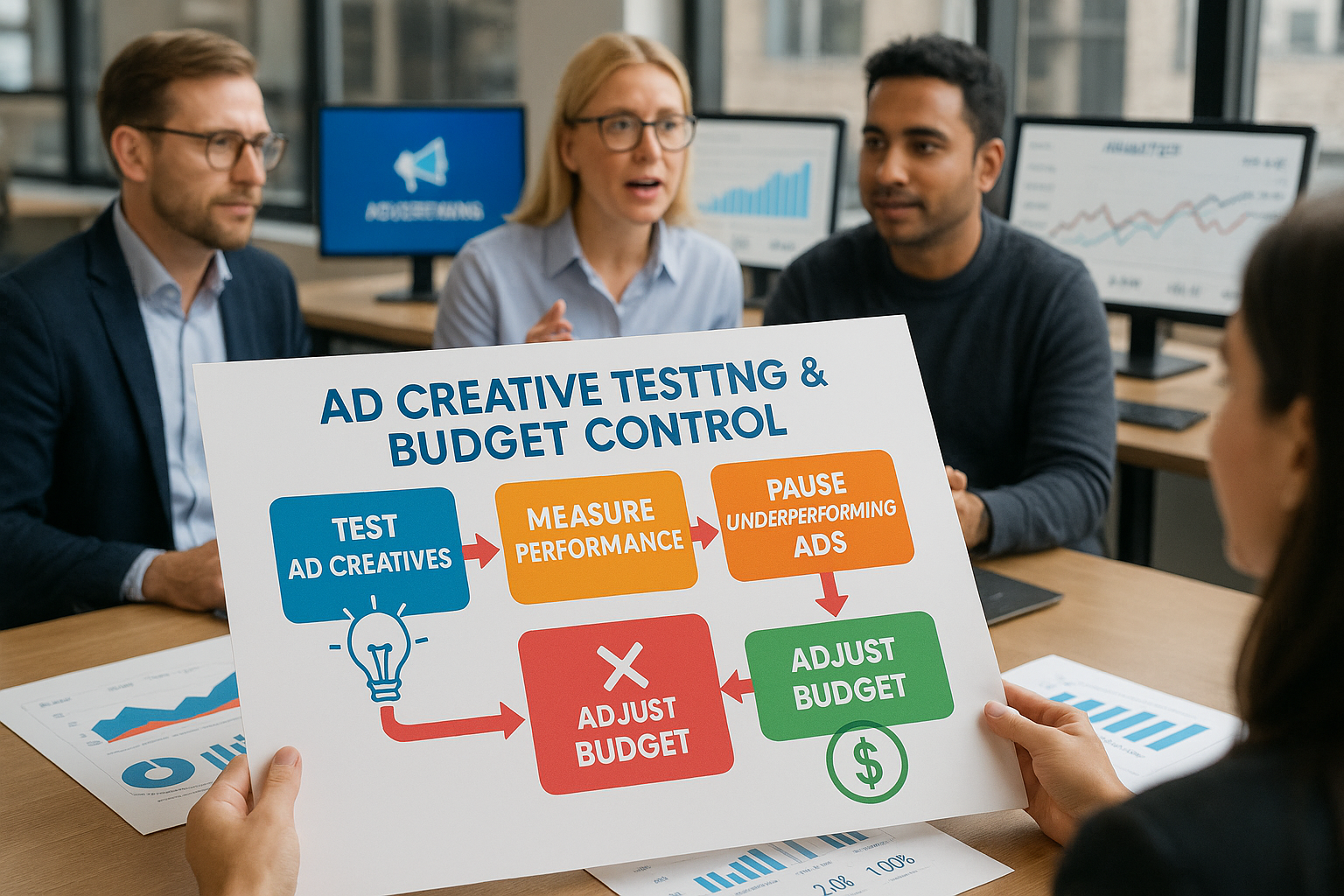
Ignoring the testing of advertising creatives is one of the most common mistakes marketers make, leading to wasted budget and low conversions. Often, beginners launch campaigns with a single ad, without verifying if it resonates with their audience. In reality, testing isn’t a luxury,it’s essential to identify the most effective formats, messages, and visuals. The process is straightforward: run several ad variations, analyze click-through rates, reach, and conversions, then keep only the top performers.
For example, an online clothing store increased its CTR from 1.1% to 3.4% and boosted ad revenue by 45% after testing three creatives. In another case, an education startup cut lead costs by 30% through A/B testing headlines and call-to-action buttons. The main risk is launching ads without any variation, hoping for a “first try effect,” which fails 90% of the time. Practical steps: 1) create at least three creative versions, 2) define metrics to track (CTR, CPC, conversion), 3) run tests on a limited budget, 4) analyze results using Ads Manager or Google Optimize, 5) pause underperforming ads and increase budget for top ones.
This works because it finds the optimal combination of visuals and messaging based on real user reactions, not assumptions. Without testing, campaigns are a gamble,most bets lose. Don’t repeat this mistake and gain clear insights into what truly works for your audience from the start.
Managing Your Advertising Budget Efficiently
Insufficient budget control is one of the most common mistakes in targeting, leading to significant overspending and poor ad performance. Often, beginners fail to set daily or total budget limits, allowing platforms to spend funds without a clear strategy. For example, one client of ours launched a campaign without monitoring expenses, and within three days, the budget was exceeded by 40%. This happened due to the lack of strict control and limit settings in Facebook Ads Manager.
To avoid such issues, implement these straightforward yet effective steps: 1. Set daily and total budget caps in ad accounts. 2. Use alert tools for budget limit breaches (Google Ads, Facebook Ads). 3. Regularly analyze reports and adjust bids. 4. Run test campaigns with minimal budgets to evaluate efficiency.
Google Ads Smart Bidding helps automate cost optimization, while Facebook Ads Manager enables quick anomaly detection and response. The logic is simple: budget control allows real-time strategy adjustments and prevents wasteful spending. Remember, any campaign without budget control is a gamble where the business loses and chance wins.
Setting and Tracking Clear KPIs
Without clearly defined KPIs, a targeting specialist risks working blindly, which inevitably leads to wasted budget and lost time. A common rookie mistake is setting vague metrics like “increase reach” without linking them to concrete business goals. This approach fails because without measurable and relevant indicators, it’s impossible to evaluate the real impact of ads and adjust strategies in time.
Practical example: an e-commerce client launched a campaign without specific KPIs , simply demanded “more sales.” After two weeks with no analysis, the budget drained without visible progress. After setting KPIs such as “conversion rate at least 3%” and regularly monitoring via Facebook Ads Manager, the team optimized audiences and creatives, leading to a 25% sales increase within a month. Another case , a local restaurant not tracking KPIs and unaware that 80% of clients came via mobile. By implementing Google Analytics and setting goals for mobile orders, the targeting specialist shifted priorities and increased ROI by 18%.
To avoid repeating these mistakes, follow these steps: 1. Define 2–3 key metrics that directly impact business (conversions, CPA, ROI). 2. Set realistic targets for each KPI. 3. Monitor them at least weekly, adapting campaigns based on data.
Tools like Facebook Ads Manager and Google Analytics are perfect for regular tracking. They provide transparency and enable data-driven decisions. Why does this work? Because KPIs act as a beacon keeping the course. Without them, you can wander endlessly, with them, you move decisively toward your goal.
Optimizing Remarketing Campaigns
Remarketing is a powerful tool, yet many targetologists misuse or set it up haphazardly, leading to wasted budgets and audience irritation. The core issue is failing to segment users by their stage in the sales funnel, instead showing identical ads to everyone who visited the site. This reduces effectiveness and quickly tires the audience. For example, a clothing online store ran a remarketing campaign without segmentation, resulting in low CTR and high cost-per-click because ads targeted buyers who had already purchased. Conversely, an online courses service segmented users into those who viewed pages and those who added courses to cart but didn’t pay. They created personalized ads for each group with tailored offers, boosting conversions by 30%. To avoid mistakes: 1) clearly segment your audience, 2) tailor messages for each segment, 3) control ad frequency to avoid annoyance. Experience shows remarketing works when intelligently set up. Tools like Google Ads and Facebook Ads Manager provide flexible segmentation and frequency controls. Don’t fall into the rookie trap of treating remarketing as just showing ads repeatedly to everyone. Remember, success depends on understanding user behavior and precise targeting, which increases ROI and reduces costs.
Targeting Mobile Audiences Effectively
Ігнорування мобільної аудиторії , це одна з найпоширеніших помилок таргетологів, яка призводить до втрати суттєвої частини потенційних клієнтів. Проблема в тому, що сьогодні більшість користувачів заходять у мережу саме з мобільних пристроїв, але рекламу часто адаптують лише під десктоп. Через це оголошення виглядають некоректно або завантажуються довго, що знижує конверсію. Наприклад, у проєкті для інтернет-магазину взуття, де 70% трафіку було мобільним, оптимізація посадкової сторінки під смартфони збільшила продажі на 35%. У другому кейсі, рекламна кампанія без адаптації під мобільні пристрої показала CTR на 20% нижчий, ніж у конкурентів. Типова помилка новачків , нехтувати швидкістю завантаження та зручністю перегляду на малих екранах.
Щоб уникнути цього, потрібно: 1. Використовувати адаптивні дизайни та мобільні формати оголошень. 2. Перевіряти швидкість завантаження через Google PageSpeed Insights. 3. Тестувати креативи безпосередньо на мобільних пристроях. 4. Застосовувати сервіси типу Facebook Ads Manager для сегментації аудиторії за пристроями. Це працює, бо мобільні користувачі швидко приймають рішення, і будь-який дискомфорт відлякує їх. Ігнорування цього факту призводить до марних витрат бюджету та втрати лояльності аудиторії. Так що, якщо хочете отримати максимум від кампаній, мобільна оптимізація , це не опція, а необхідність.
Analyzing and Optimizing Campaign Performance
Neglecting regular analysis of advertising campaigns is one of the most common mistakes marketers make, leading to wasted budgets and lost potential customers. Without systematically reviewing metrics like CTR, conversions, or cost per lead, it’s impossible to understand what works and what doesn’t. For example, a company running Facebook ads without follow-up analysis saw low ROI after two weeks. By implementing weekly monitoring and adjusting bids based on analytics, they improved effectiveness by 35%. Another case involved an online store ignoring regional optimization, resulting in high CPC in unprofitable areas. After segmenting and excluding those regions, costs dropped by 20% and conversions increased.
A typical rookie mistake is launching a campaign and passively watching without action. Why doesn’t this work? Markets change rapidly and ad algorithms require adaptation. Practical steps: 1) Set clear KPIs, 2) Use Google Analytics and Facebook Ads Manager to collect data, 3) Run regular reports (weekly), 4) Adjust budgets, audiences, and creatives based on results. This approach saves money and significantly improves traffic quality. Skipping this step leaves campaign performance to guesswork, which is hardly the desired outcome.
Crafting Clear and Persuasive Ad Copy
The main mistake in crafting advertising messages is excessive generality and clichés. When marketers copy buzzwords without considering the specific audience’s needs, the message becomes unclear and less attractive. For example, a sports equipment company used the phrase “Buy the best!” without specifying benefits or audience. The result was a low CTR and high campaign costs. However, after segmenting the audience and rewriting the message to “Choose comfortable running gear – faster, farther, easier,” results improved by 35%. The formula is simple: clarity + relevance = higher conversion.
A common rookie mistake is trying to cram too much information into one ad, which causes confusion and drives users away. To avoid this, follow these steps: 1) Identify the product’s main benefit for the target audience, 2) Use simple sentences without complex structures, 3) Avoid clichés that add no value, 4) Test message variants with tools like Google Ads Experiment or Facebook A/B Testing.
This works because the human brain quickly filters out vague messages but responds to clear benefits and emotional triggers. Don’t play with ambiguity if the goal is to grab attention and prompt action swiftly.
Leveraging Analytics Tools Properly
Many targetologists underestimate or ignore analytical tools, believing intuition alone suffices for an effective campaign. This common mistake leads to wrong decisions and budget waste. For instance, without Google Analytics, it's impossible to understand which channels truly drive traffic and conversions, while Facebook Ads Manager provides precise data on audience and ad performance. The issue is that many simply don't know how to interpret these numbers correctly or hesitate to dive into the data. To fix this, a basic training on these services and regular monitoring of key metrics like CTR, CPA, and ROI is enough.
A practical case: one company ran a campaign without analytics, relying on a 'gut feeling' about the audience. After connecting Google Analytics, they discovered that 70% of traffic came from ineffective channels and reconfigured targeting, boosting conversions by 40%. Another example , a business used Facebook Ads Manager to test different audiences and quickly dropped unprofitable segments, saving 30% of the budget. Conclusion: analytics work because they provide objective data, and decisions based on them reduce risks and increase effectiveness. Don't make the rookie mistake of running campaigns blindly, use data daily.
Controlling Ad Frequency to Prevent Fatigue
Excessive ad frequency is one of the most common mistakes among targetologists, leading to audience irritation and reduced campaign effectiveness. When the same person sees an ad too often, it creates a sense of intrusion and may provoke a negative reaction rather than interest. For example, an online clothing store experienced a 30% increase in ad rejections and a 15% drop in CTR when frequency exceeded five times per day. Analyzing this, it’s clear that frequency control is not just a setting but a strategic tool to balance reach and impressions.
To avoid these issues, follow this plan: 1. Determine the optimal ad frequency for your audience (usually 2-3 impressions per person per week). 2. Use Facebook Ads Manager or Google Ads tools to cap frequency. 3. Regularly analyze user behavior and adjust strategy accordingly.
For instance, a real estate company limited frequency to three times per week and rotated creatives after reaching the cap , this increased conversions by 25% and lowered lead cost. A typical rookie mistake is ignoring frequency, assuming more impressions automatically mean more sales. In reality, moderation in frequency helps maintain interest and prevents audience fatigue. Frequency control works because it delivers messages at a comfortable pace, increasing the likelihood of conscious decisions.
Conclusion
Основна проблема більшості таргетологів , це повторення одних і тих самих помилок, які призводять до марних витрат бюджету й низької ефективності кампаній. Часто новачки занадто швидко запускають рекламу без глибокого аналізу аудиторії або тестування креативів, що підриває потенціал кампанії вже на старті. Наприклад, одна компанія неправильно сегментувала аудиторію, орієнтуючись на надто широкий демографічний сегмент, через що бюджет розпилявся, а прибуток не зростав. Виправлення полягало у звуженні цільової групи та запуску кількох тестових оголошень з різними повідомленнями , результат: CTR зріс на 30% за місяць. Ще один випадок , ігнорування аналізу конкурентів. Клієнт почав кампанію без розуміння, які пропозиції та меседжі використовують конкуренти. Після проведення конкурентного аналізу і корекції стратегії за допомогою Facebook Ads Manager вдалося підвищити конверсію на 25%.
Ключові практичні кроки, які допоможуть уникнути типових помилок: 1) Чітко визначити й сегментувати аудиторію перед запуском, 2) Обов’язково тестувати рекламні креативи, 3) Проводити конкурентний аналіз і враховувати його результати, 4) Встановлювати реальні KPI та регулярно відстежувати їх, 5) Користуватися аналітичними інструментами, як-от Google Analytics і Facebook Ads Manager. Ці дії працюють, бо дозволяють оптимізувати бюджет, уникнути зайвих витрат і гнучко реагувати на ринок. Типова помилка , це поспішність, коли кампанії стартують без достатньої підготовки. Моя порада: не бігайте вперед паровоза, а покроково тестуйте і аналізуйте , так можна досягнути стабільного і відчутного результату.
Helps brands build social media communication that creates trust and brings results.
Comments (0)
Leave Your FeedbackNo comments yet — be the first to share your thoughts.