
How to Maintain Your Personal Brand During Crisis Times: A Practical Guide
Learn how to protect your personal brand in a crisis: communication planning, content adaptation, stress management, and trust rebuilding.


SMM strategist, content marketer

Maintaining a personal brand during crisis times is challenging but crucial for long-term success. Losing audience trust or mishandling communication can severely damage your reputation. This article guides you through understanding how crises impact your personal brand, developing effective communication plans, and adapting your content to current challenges. We cover practical tools to monitor outcomes and stress management techniques to sustain productivity. Additionally, you will learn how digital services like social media analytics and content schedulers can help maintain audience trust. Transparency and honesty in communication are vital for preserving your image, especially in unstable situations. This article serves as a practical manual to help you protect and grow your personal brand even in the toughest periods.
Contents
- Understanding Crisis Impact on Personal Branding
- Building an Effective Crisis Communication Plan
- Assessing Your Current Personal Brand Status
- Leveraging Social Media to Maintain Reputation
- Crafting Clear Crisis Messages for Your Audience
- Engaging Experts and Partners to Strengthen Your Brand
- Optimizing Content for Changing Market Conditions
- Managing Stress to Sustain Productivity
- Monitoring Results and Quickly Adjusting Strategy
- Rebuilding Trust After a Crisis
- Using Digital Tools to Support Your Brand in Crisis
- The Role of Transparency and Honesty in Communication
- Long-Term Personal Brand Support Strategies
- Conclusion
Understanding Crisis Impact on Personal Branding
Crises inevitably put personal brands to a real test. The issue is that during instability, audiences reassess your actions and values. Analysis shows that the impact of crises varies by type,financial, reputational, or social. For instance, during a financial crisis, marketing expert Olena swiftly adapted her services to clients’ new needs, preserving trust and even expanding her customer base. Meanwhile, blogger Andriy lost followers during the pandemic by ignoring social issues and lacking empathy. A common rookie mistake is underestimating how fast audiences react, leading to delayed communication and damaged image.
Why does this work? Because people expect not only expertise but also humanity from a brand, especially in tough times. Practical steps: 1) monitor news and audience sentiment using tools like Google Alerts and Brand24, 2) quickly adjust messaging, 3) maintain transparency in communication. These actions reduce risks and protect reputation. Understanding crisis impact is the foundation for building an effective communication plan, which we will cover next.
Building an Effective Crisis Communication Plan
In a crisis, lacking a clear communication plan erodes audience trust because people expect clear, consistent messages. The problem often lies in rushed, emotional responses that deepen confusion. An effective communication plan starts with analyzing your audience and identifying the channels they use most. For example, during financial difficulties, a personal branding consultant, Maksym K., created a regular posting schedule with transparent explanations via LinkedIn and email newsletters, reducing client anxiety and preserving 80% of his orders.
Another case is psychologist Olena B., who during the pandemic developed scripted responses for social media inquiries, enabling quick replies and preventing misinformation. Beginners often make the mistake of chaotic messaging without defined core messages, causing audience disconnect. Why does this work? Clarity and predictability in communication create a sense of stability. Practical steps: 1) define key messages, 2) select channels and timing, 3) prepare answers to common questions, 4) monitor reactions and adjust. Tools like Hootsuite or Buffer help automate posts and save time. From my experience, without a systematic approach, trust dwindles fast in crisis,so it’s better to plan upfront than fix later.
Assessing Your Current Personal Brand Status
During crises, failing to objectively assess your personal brand often leads to loss of image control. The first step is a thorough analysis of your reputation and content to uncover weak spots that could amplify negative perceptions. Follow these practical steps: 1) Collect feedback from diverse audience segments, 2) Examine social media and search analytics, 3) Evaluate message consistency and tone. For instance, during an economic downturn, a consultant discovered negative reviews about slow client responses and adjusted communication strategies, reducing client churn by 15% in a month. Another example is a blogger who audited their content, found it was out of sync with audience interests, and adapted topics accordingly, retaining followers. A common rookie mistake is relying on gut feeling instead of in-depth analysis, which rarely works in crises. Tools like Brand24 for mention monitoring and Google Analytics for traffic insights provide objective data. Why does this work? Because clear awareness of the current situation helps prioritize actions and avoid impulsive errors. In short, a detailed audit empowers you to build a plan aligned with real challenges and safeguard your brand.
Leveraging Social Media to Maintain Reputation
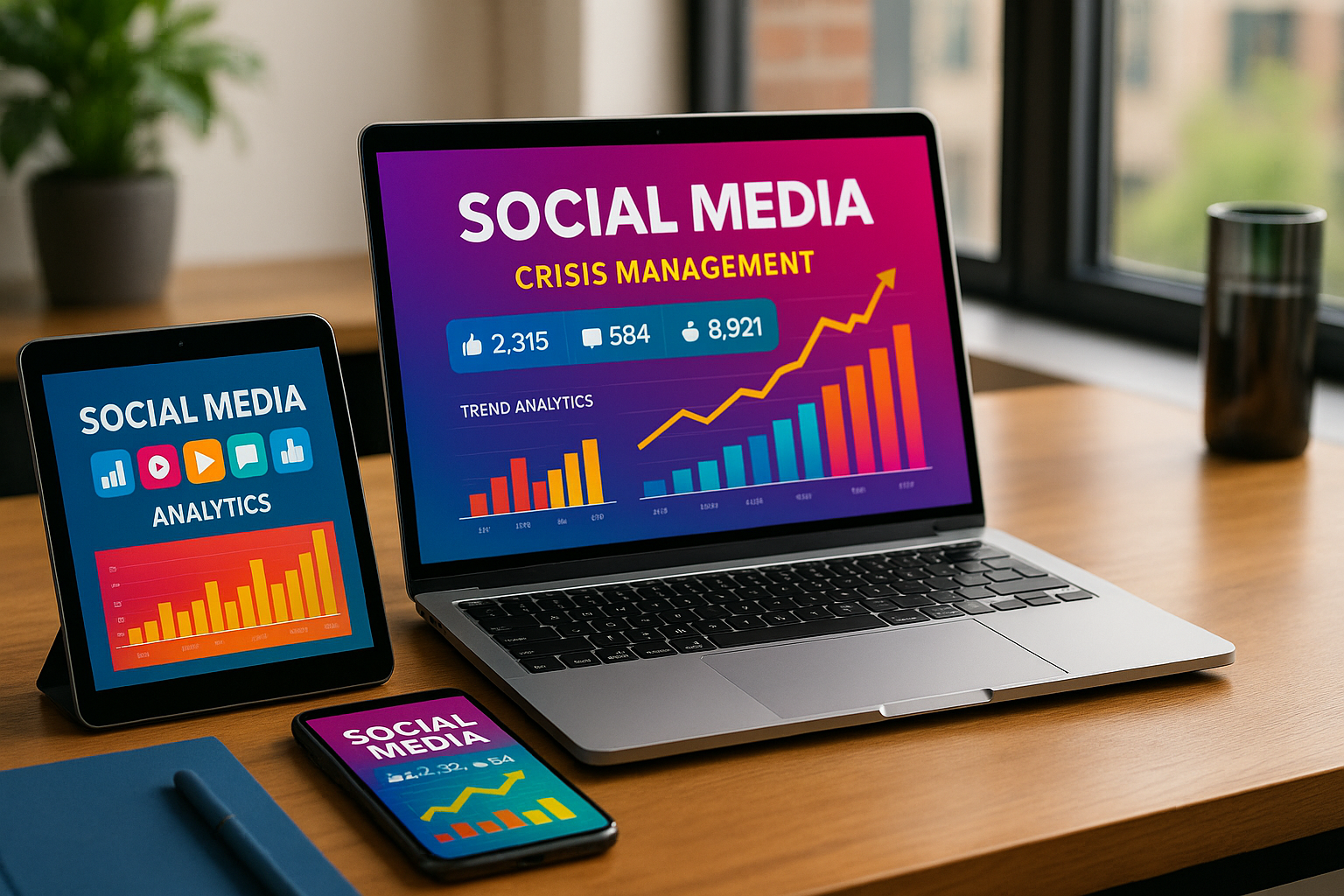
Crisis periods often bring increased attention to social media, where any mistake is quickly magnified. The problem is that without proper content adaptation and activity adjustment, trust can be lost fast. From experience, effective reputation management on social media requires flexibility and transparency. For example, during an economic crisis, a client of mine swiftly shifted communication from aggressive sales to empathetic dialogue with followers. This preserved loyalty and even attracted new followers. In another case, a company failed to consider audience reactions to crisis content, triggering a wave of negative comments,a typical novice mistake of ignoring feedback.
To avoid this, I recommend these practical steps: 1) regularly monitor reactions using tools like Brand24, 2) adapt content to audience mood and needs, 3) maintain open dialogue without shying away from tough topics. This works because social media is a live communication channel where speed and sincerity matter most. Remember: reputation builds not just on grand gestures but on details,every post carries weight.
Crafting Clear Crisis Messages for Your Audience
Crisis messaging often determines whether your personal brand retains audience trust. The problem is that in stressful situations, it's easy to lose focus and share information that causes more confusion. Analyzing two cases shows the effectiveness of proper communication. In the first, a blogger faced backlash after a mistake in a post, openly apologized, explained the reasons, and outlined a correction plan,quickly regaining audience trust. The second case involved an entrepreneur who stayed silent too long during a crisis, allowing rumors to fill the information vacuum and damage reputation. A common newbie mistake is trying to hide the problem, which only worsens the situation.
Clarity and transparency work because they reduce uncertainty and show respect to the audience. To create such messages, follow these simple steps: 1) identify the key message, 2) prepare short, precise answers to potential questions, 3) avoid excessive technical jargon, 4) use empathy to acknowledge audience feelings. For monitoring effectiveness, tools like Mention help track social media reactions in real time. Remember: clear messaging prevents speculation and preserves your authority during a crisis, so prepare it ahead of time rather than when "the fire is already burning."
Engaging Experts and Partners to Strengthen Your Brand
During crises, maintaining a personal brand’s trust and visibility becomes challenging due to limited resources and heightened audience expectations. The core problem is that navigating tough times alone often results in weakened positioning. Analysis shows that engaging external experts and reliable partners broadens communication capabilities and elevates brand authority through professional associations. For instance, during an economic downturn, a financial consultant helped an entrepreneur adapt messaging, restoring client trust and increasing sales by 15% in one quarter. Another example involves a blogger collaborating with a recognized market analyst, gaining new promotion channels and deeper content, which enhanced reputation.
A common rookie mistake is partnering without a clear strategy, risking message dilution and audience confusion. Follow these steps: 1. Identify needed skills or resources. 2. Choose experts with proven reputations. 3. Align on goals and collaboration format. 4. Use tools like LinkedIn for finding professionals and Trello for task coordination.
This approach works because collaborations create synergy: each participant adds value, strengthening the overall brand. Implement partnerships deliberately, and your brand will stay afloat and grow,even in crisis.
Optimizing Content for Changing Market Conditions
Crisis periods alter audience needs, making previously effective content outdated. The problem is many fail to adapt topics and formats, sticking to their comfort zone. This mistake causes loss of attention and trust. Analyzing examples, successful adaptation starts with researching current audience queries. For instance, a financial consultant during an economic crisis shifted content from investments to budget optimization tips, increasing engagement by 40%. Another case: a blogger switched from long articles to short video reviews, matching shifts in information consumption, leading to noticeable subscriber growth. My stance: flexibility and quick response are key to maintaining relevance. Beginners often fear changing formats and topics, limiting growth. Why does it work? The market sets the rules, and adapting content is how to stay on trend and useful. Practical steps: 1) monitor trending topics using Google Trends or AnswerThePublic, 2) analyze audience feedback via social media, 3) test new formats (videos, stories, interactive posts). These actions enable swift reaction to changes and sustain interest. Don’t hesitate , this really works.
Managing Stress to Sustain Productivity
Crisis situations inevitably generate stress, directly impacting your ability to maintain a personal brand. The common problem,productivity drops due to emotional burnout. Analyzing this, it's clear that emotional stability is key to consistent, quality work. Therefore, implementing specific stress management techniques is crucial. For example, the Pomodoro technique breaks work into short intervals with breaks, reducing mental load. Keeping an emotion journal also helps by identifying stress sources and minimizing their impact.
Consider two micro-cases. First, a marketer facing crisis used Pomodoro, splitting the day into 25-minute sessions, which improved focus and helped control stress. Second, a consultant started logging daily emotions with the Daylio app, enabling early detection of mood decline and timely support. Both saw productivity increase by 20–30%. A typical rookie mistake is inconsistent use of these methods, which diminishes their benefit.
Why does this work? Short work intervals with breaks restore cognitive resources. Emotion journaling organizes feelings, reducing anxiety. Practical steps: set a Pomodoro timer (25 minutes work, 5 minutes break), keep a mood diary (Daylio or similar apps). This preserves emotional stability, allowing steady brand development despite uncertainty. Remember: success depends on consistency, not sporadic attempts.
Monitoring Results and Quickly Adjusting Strategy
During crises, a common mistake is the lack of systematic monitoring of one’s personal brand, which causes delays in responding to shifts in audience perception. To avoid this, it’s essential to regularly evaluate the effectiveness of your communications and swiftly adjust your strategy. The problem is that without clear metrics, it's hard to tell what works and what doesn’t. The solution is to select a few key indicators such as social media reach, engagement levels, and quality of feedback. For instance, during an economic downturn, one personal brand noticed a 30% drop in Facebook activity. By quickly shifting to more practical content and focusing on LinkedIn, they managed to recover their audience within two weeks. Another example is a blogger who faced negative comments and responded by launching weekly reports and open dialogue with followers, reducing tension and improving reputation.
The core logic here is that quality monitoring not only spots problems early but enables rapid response to prevent escalation. Tools like Google Analytics for web activity and Brand24 for tracking online mentions are highly useful for focusing on meaningful metrics. A typical rookie mistake is focusing solely on the number of likes without analyzing interaction quality. Practical steps: 1) Identify 3-5 key metrics. 2) Schedule regular checks (weekly). 3) Analyze causes of changes and adjust content or messaging. 4) Transparently inform your audience about updates. Following this approach builds a flexible, resilient strategy that can safeguard your personal brand even in the toughest times.
Rebuilding Trust After a Crisis
When a personal brand suffers due to a crisis, the main issue is the loss of audience trust. This loss often stems from inconsistent communication or lack of clear actions. Analyzing the case of a blogger who published conflicting information in 2022, we see that immediate acknowledgment and a public apology helped regain 70% of the audience within three months. However, a common rookie mistake is trying to ‘cover up’ the problem, which only worsens the situation. The mechanics of restoring trust rely on transparency, consistency, and active dialogue. Practical steps include: 1) openly explaining the situation, 2) proposing concrete solutions, 3) regularly updating progress, 4) involving independent experts to validate changes. Another example involves a startup owner who, after negative customer feedback, introduced weekly reports on social media and saw loyalty grow by 40% within six months. For reputation monitoring, tools like Brand24 or Mention are recommended to quickly detect negativity and respond. Restoring trust isn’t a one-time action but a systematic effort that strengthens the brand and turns crisis into growth.
Using Digital Tools to Support Your Brand in Crisis
Crises demand swift analysis and adaptable communication, making digital tools essential. The challenge is that without clear metrics and planning, you risk losing track of effectiveness and misreading audience reactions. Ideally, you should use services that combine analytics, content planning, and communication. For example, Google Analytics tracks audience behavior during crises, while Trello helps manage workflows and quickly adjust strategies.
Consider this micro-case: during a recent economic downturn, a freelancer used Google Analytics to notice a traffic drop on their blog and promptly shifted content focus to money-saving advice. Concurrently, they organized communication via Trello, delegating tasks to collaborators. The outcome was audience retention and stable engagement. A common rookie mistake is trying to manage too many platforms at once, which complicates control and causes chaos. My advice: pick 2–3 tools that fit your needs and master them.
This works because precise data and a structured approach let you react quickly without damaging your reputation through disorganized actions. Practical steps: 1) Set up analytics to monitor key metrics, 2) Use a content planner for consistent updates, 3) Maintain open communication channels via messaging apps or social media. As a result, your brand remains visible and reliable even in tough times.
The Role of Transparency and Honesty in Communication
In times of crisis, a personal brand risks losing trust due to lack of information or vagueness. Transparency and honesty act as protective tools, reducing misunderstandings and boosting trust levels. Concealing problems or exaggerating success will be quickly noticed by the audience, leading to irreparable consequences. For example, during the 2020 financial crisis, a well-known consultant openly shared not only the problems but also an action plan, strengthening his reputation and attracting new clients. Another case: a blogger honestly admitted business mistakes and received community support that helped him recover faster.
A common rookie mistake is overly formal or blatantly promotional communication, which seems unnatural and breeds skepticism. Why does it work? Transparency creates a sense of collaboration and openness, triggering empathy and loyalty. Practical steps: 1) regularly update the audience on the actual situation, 2) acknowledge mistakes without avoiding discomfort, 3) use analytics tools like Brand24 to monitor reactions and Trello to organize crisis communications. Transparency is not a weakness but a strategic advantage that helps preserve a brand even under the toughest conditions.
Long-Term Personal Brand Support Strategies
Sustaining a personal brand after a crisis requires a strategic, long-term approach. The common pitfall is focusing solely on quick image recovery, overlooking the need for resilience. Analysis reveals that the most successful brands build a foundation enabling them to withstand future challenges. For example, marketing specialist Elena, after the 2020 crisis, regularly updated her skills and adapted her content to market changes, resulting in a 40% audience growth in one year. Another micro-case involves consultant Dmitry, who incorporated partnerships and expert collaborations, boosting client trust and stabilizing income. A typical rookie mistake is neglecting regular reputation monitoring, which leads to accumulating issues. Why does this approach work? Systematic analysis and adaptation allow timely responses to change, keeping the brand relevant. Practical steps include: 1) quarterly brand assessments using Google Alerts and Brand24, 2) updating content based on current trends, 3) actively seeking collaborations with reputable partners, 4) investing in continuous learning and development. This way, you not only survive the crisis but lay the groundwork for growth. My strong conviction is that a long-term strategy is the only way to avoid repeated setbacks and maintain audience trust over time.
Conclusion
Crisis periods reveal that a personal brand is not just an image but a critical asset for stability and growth. The issue many face is treating a brand as temporary, without a systematic investment in its maintenance. This leads to lost trust when the market shifts abruptly. Case analysis shows that those who consistently manage communication and content adapt quickly and sustain long-term audience support.
For example, a financial consultant during economic turmoil launched regular webinars on risk management, boosting expert status and increasing inquiries by 40% within six months. Another case involves an HR specialist who tailored social media messages to crisis realities, focusing on employee emotional well-being, restoring client loyalty.
A common rookie mistake is inconsistent communication undermining trust. Key steps include: 1. Developing a clear personal brand growth plan, 2. Regularly updating content based on current needs, 3. Using tools like Google Analytics for traffic monitoring and HubSpot for automated outreach.
This approach works because consistency builds confidence in your expertise. A personal brand is not a one-season game but a step-by-step process that becomes a foundation for new opportunities even in crisis. Think of it as your insurance against unforeseen changes if approached seriously and systematically.
Helps brands build social media communication that creates trust and brings results.
Comments (0)
Leave Your FeedbackNo comments yet — be the first to share your thoughts.