
Fashion Trends for Creating a Modern Image
Learn how to create a modern image with the latest fashion trends and practical style advice.

SMM strategist, content marketer
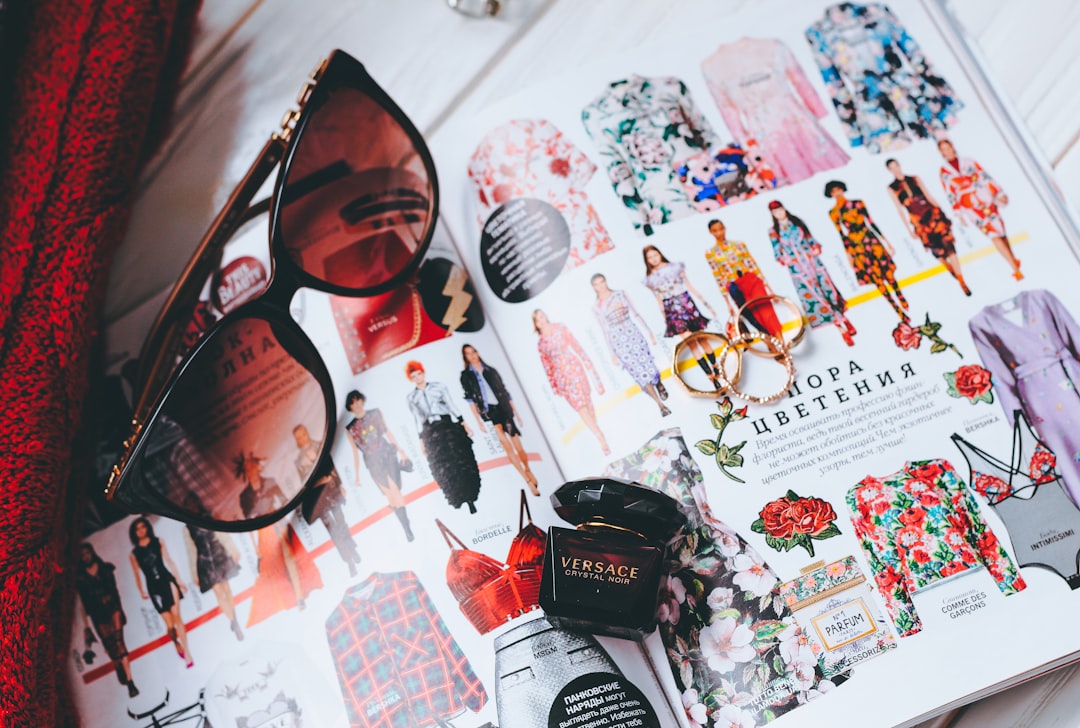
Creating a modern image requires a clear understanding of current fashion trends and how to apply them practically. This article explores key areas to help you build a cohesive and confident style suitable for 2024. You will learn how to choose the right color palettes, fabrics, and accessories, as well as techniques for combining pieces to achieve unique looks. Special attention is given to adapting trends for different aspects of life, including professional office attire. We will also cover modern digital tools and apps that simplify the wardrobe update process. Incorporating sustainability in fashion choices will enhance your image by aligning with contemporary social trends. This guide provides practical advice for those looking to stay stylish and modern without unnecessary theory.
Contents
- Building a foundational wardrobe aligned with current fashion trends
- Utilizing seasonal color palettes for impactful styling
- Selecting accessories to elevate your image
- Trends in textures and fabrics: practical material choices
- Incorporating fashion trends into your office wardrobe
- Cultural influences shaping modern style
- Footwear trends: balancing style with comfort
- Combining pieces for a distinctive look
- Using digital tools and apps for style curation
- Sustainability and eco-consciousness in fashion choices
- Common styling mistakes and how to avoid them
- Maintaining freshness in your wardrobe throughout the year
- Conclusion
Building a foundational wardrobe aligned with current fashion trends
The common issue is randomly choosing clothes without a clear understanding of what is truly relevant and functional. Analyzing current trends, the focus should be on pieces that are easy to combine and serve as a foundation for various looks. For instance, a classic neutral sweatshirt paired with straight jeans can be adapted for office wear or street style. This versatility works because it balances comfort with up-to-date cuts.
For example, case 1: a client with a limited budget selected basic pastel-colored items, complemented them with minimalist sneakers, and ended up with a stylish wardrobe suitable for both work and casual outings. Case 2: a young man invested in a classic navy blazer and white shirt, enabling him to quickly create an elegant look without wasting time. A typical beginner’s mistake is buying overly trendy items that quickly go out of fashion and don’t mix well with other pieces.
Why does this work? Because a basic wardrobe functions like a system where each item supports the others, creating multiple combinations. Practical steps: 1) define a neutral color palette, 2) choose 5–7 key items (jeans, T-shirts, sweaters, blazer), 3) pick quality shoes, 4) avoid excessive details. For quick selection of fitting options, I recommend services like “Polyvore” or “Stylebook,” which help visualize possible combinations. Remember, a basic wardrobe is the foundation on which your unique style is built, making it easier to explore colors and accessories next.
Utilizing seasonal color palettes for impactful styling
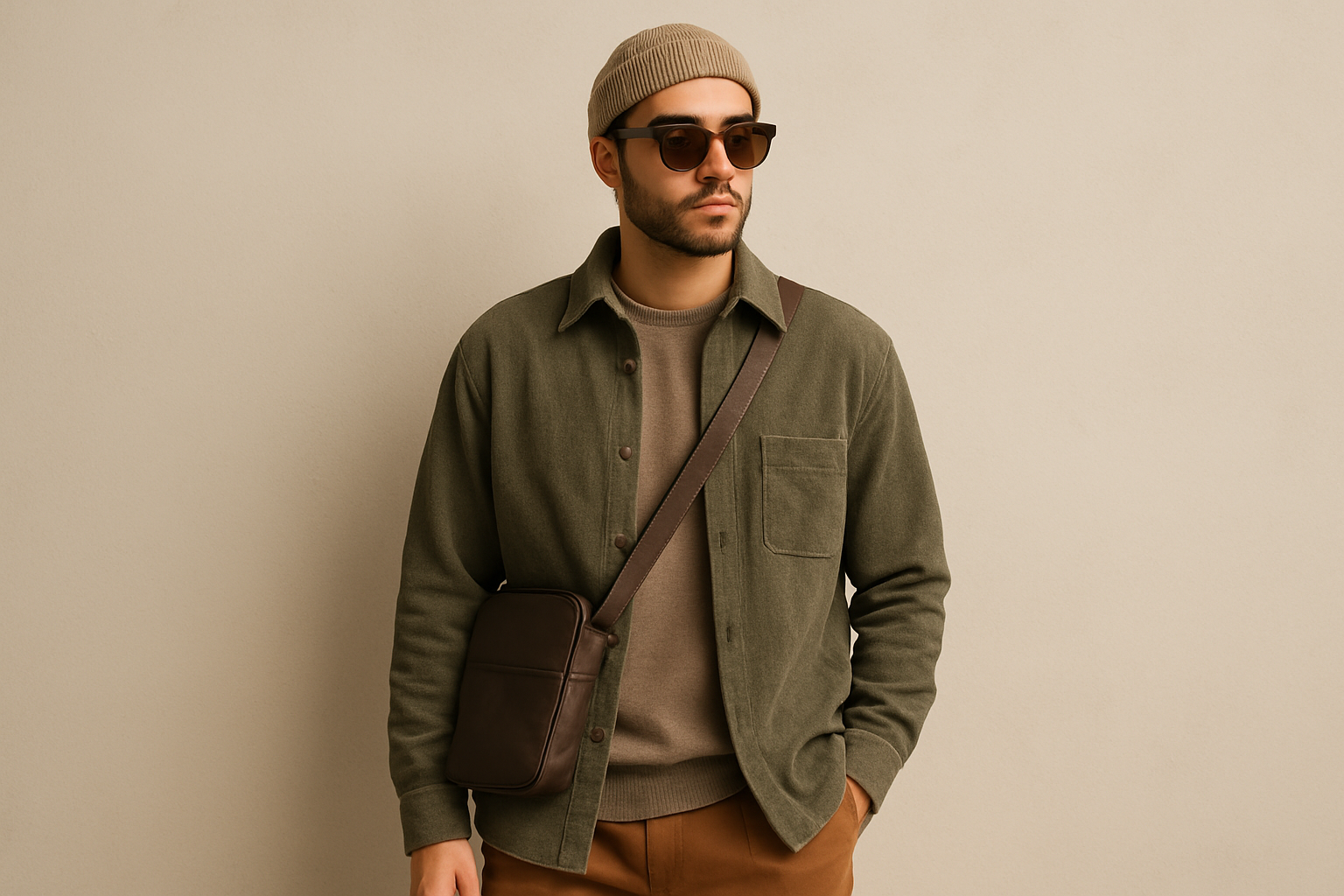
Creating a relevant and vibrant look requires not just knowing your style but also considering the season's color palette. The common challenge is picking colors without trend awareness, which often results in being outdated or mismatched. This season’s palette highlights warm earth tones, deep burgundy, and soft olive. Understanding why it works is key: original colors build harmony and emphasize individuality, adapting the outfit to the current context. For example, a client who previously favored cool shades refreshed her look by incorporating a mustard coat and burgundy bag, achieving a bright and modern style without losing personal identity. Another case: a man combined classic dark blue jeans with an olive sweater, creating a balanced, office-appropriate look. Beginners often make the mistake of mixing too many colors at once, leading to visual chaos. Practical steps: 1) review the seasonal palette on platforms like Pantone or WGSN, 2) select 2–3 base colors and 1–2 accents, 3) combine tones considering your skin and hair coloring. Tools like Coolors or Adobe Color simplify finding harmonious combinations. When guided by color logic, your look feels both current and pleasing to others. Hence, adapting the palette isn’t mere copying but a strategic enhancement of your personal style.
Selecting accessories to elevate your image
Choosing the right accessories is essential for completing an outfit that highlights individuality and aligns with trends. The problem is that many believe more jewelry and details automatically mean a better style. In reality, excess disrupts balance and makes the look chaotic. The logic is straightforward: accessories should complement, not compete with the wardrobe. For example, in one case, a client selected a neutral basic wardrobe and added a textured leather bag, instantly elevating the style without overload. In another, a professional man chose classic derby shoes and a minimalist watch, which emphasized professionalism and polished the look. A common beginner mistake is selecting accessories that clash in style or color with the clothing, breaking harmony. Practical steps: 1) limit accents to three, 2) consider your wardrobe’s color palette, 3) apply contrast or monochrome principles, 4) check accessory proportions relative to your body. Tools like Polyvore or Pinterest are helpful for quick visual experiments with bags and jewelry. Why does this work? Because harmony and proportion create a cohesive image perceived as intentional and stylish. Remember: accessories aren’t just add-ons, they’re a means of communication through style.
Trends in textures and fabrics: practical material choices
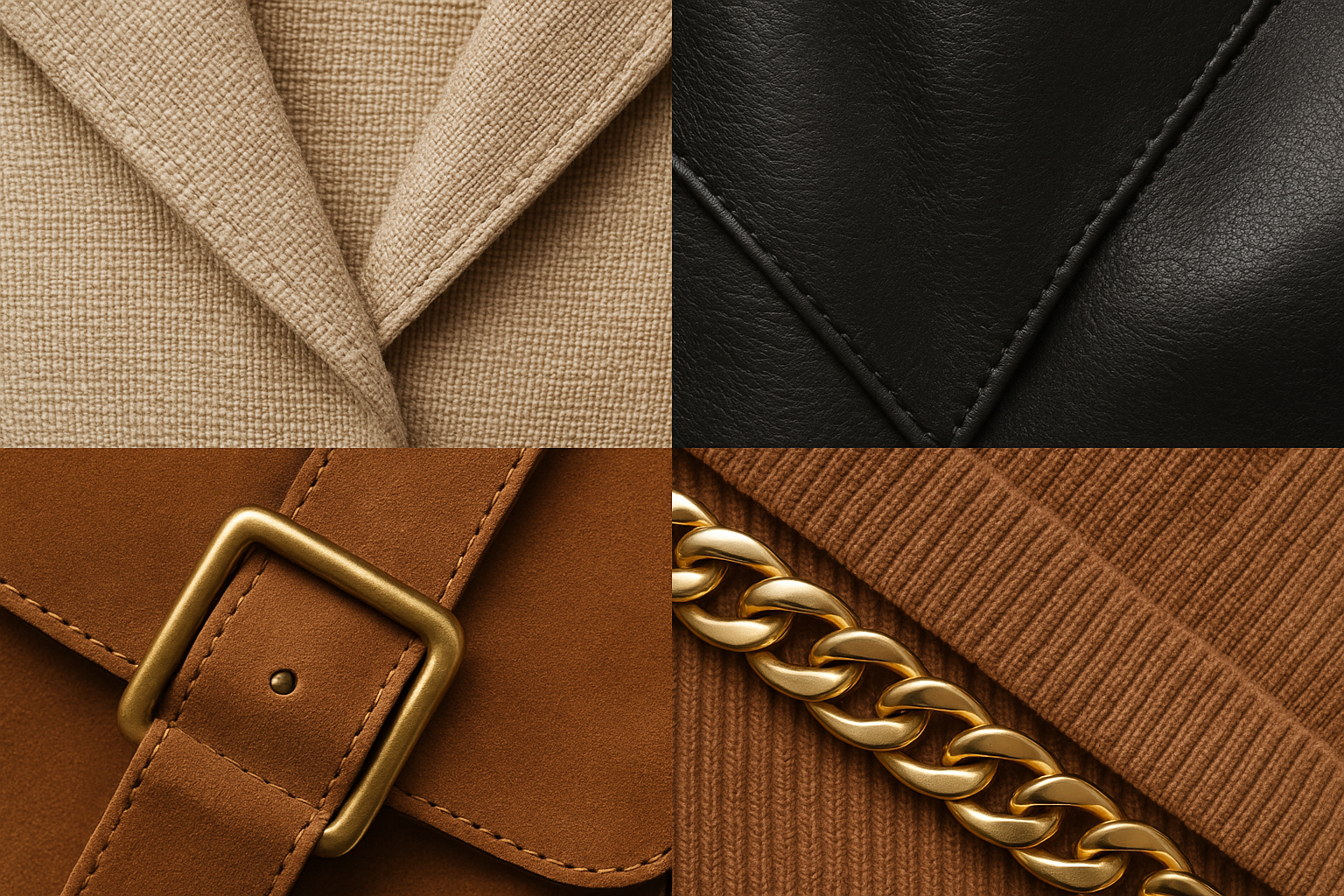
Choosing the right textures and materials in fashion is challenging due to the diversity offered by Eastern and Western brands. Eastern trends emphasize natural fibers and craftsmanship, such as linen and silk, providing lightness and breathability for comfort. Western trends focus on innovative fabrics like technical nylon or recycled polyester, combining functionality with style. A common newbie mistake is mixing too many textures without harmony, breaking the outfit’s cohesion. The practical solution is to select materials based on contrast or complementarity,for example, pairing matte linen with glossy silk creates a balanced look. For instance, designer Elena combined Japanese cotton batiste with Italian wool tweed in her collection, achieving a modern yet traditional feel. Another example is an IT company adopting recycled fabrics in their corporate dress code to highlight sustainability and modernity. Why does this work? Textures impact visual and tactile perception, adding layers to an outfit. Practical steps: 1) analyze your outfit’s core style, 2) choose 2–3 materials with differing textures, 3) test combinations for contrast or seamlessness. Tools like Pantone Connect help simplify color and texture coordination. Ultimately, balancing textures and materials is key to crafting a contemporary image that works for both bold and understated looks.
Incorporating fashion trends into your office wardrobe
The main challenge in office wardrobe is balancing fashion trends with dress code requirements, while maintaining comfort and professionalism. A common mistake among beginners is trying to follow every trend, resulting in overly experimental looks that often clash with workplace norms. Why doesn’t this work? Because office style should convey confidence and business ethics, not just trendiness.
By analyzing popular trends, several safe choices emerge: clean silhouettes, natural fabrics, and a restrained color palette accented by subtle details like a colored belt or a stylish watch. Practical steps to refresh your wardrobe include: 1) swap classic white blazers for nude shades, 2) choose straight-cut trousers paired with soft fabric blouses, 3) add accessories that highlight individuality without excess.
Two micro-cases: an IT manager adopted a smart casual look by replacing traditional dress shirts with solid-colored pullovers and minimalist sneakers, boosting comfort while keeping professionalism. Another employee in finance incorporated trendy textured fabrics like tweed in jackets, adding freshness without breaking dress code rules.
In summary, a modern office wardrobe results from a deliberate balance between trend-awareness and office standards. Tools like Stylebook prove helpful for tracking outfit combinations while staying within dress code limits. Remember, style is a communication tool, not just a collection of fashionable items.
Cultural influences shaping modern style
Cultural trends strongly influence modern style by shifting traditional fashion norms. The challenge is that without understanding the cultural context, people often imitate trends superficially, losing their unique character. Analysis reveals that styles rooted in cultural codes gain depth and relevance immediately. For instance, the Coachella festival influenced widespread adoption of boho elements , light fabrics, ethnic prints, and handmade accessories. In another case, the rise of cyberpunk culture introduced techno-futuristic materials and neon accents that soon became street style staples. This demonstrates why it works , styles aligned with cultural moods resonate naturally and feel authentic.
A common rookie mistake is blindly copying a trend without adapting it to personal identity. Practical steps to avoid this: 1) research the trend’s origins (music, film, events), 2) select 2–3 signature elements that reflect your idea, 3) integrate them thoughtfully into your existing wardrobe, avoiding excess. Services like Vogue Runway and WGSN are great to track relevant cultural trends, helping you spot and apply new waves effectively. Cultural trends shape style not by imitation but by crafting an image that speaks both to its time and individual personality.
Footwear trends: balancing style with comfort
Вибір взуття часто стає компромісом між комфортом і трендовістю. Часто новачки помиляються, орієнтуючись на зовнішній вигляд, забуваючи про зручність, що призводить до швидкого дискомфорту й неправильного формування іміджу. Аналізуючи поточні тенденції, варто звернути увагу на моделі з підтримкою стопи, гнучкими підошвами та натуральними матеріалами. Наприклад, у діловому стилі оптимально поєднувати класичні лофери з сучасним дизайном - вони зберігають елегантність і забезпечують комфорт протягом дня. У випадку кежуал-образів, мікро-кейс з використанням кросівок із біорозкладних матеріалів, як-от Allbirds, демонструє, що стильна й екологічна взуття може бути зручним базисом щоденного гардеробу. Чому це працює? Адже комфорт впливає на впевненість у собі, а сучасний дизайн , на сприйняття іміджу оточенням. Практичні кроки: 1) обирайте взуття з анатомічною устілкою, 2) перевіряйте відповідність розміру і ширини, 3) віддавайте перевагу перевіреним брендам із гарною репутацією. Для підбору оптимального розміру рекомендую сервіси на кшталт Zappos або Foot Locker, які пропонують детальні гіди і строге повернення. Таким чином, комфортне і стильне взуття стає фундаментом, що підтримує будь-який сучасний образ, гармонійно доповнюючи кольорову палітру та аксесуари, розглянуті в попередніх пунктах.
Combining pieces for a distinctive look
Combining items to create a unique look can be challenging due to the wide variety of styles, colors, and textures available. The core issue is that, without a systematic approach, the result can quickly look cluttered or chaotic. Analyzing this, I suggest viewing combinations as a balance of three key elements: style, color palette, and texture. Start by choosing a dominant style (casual, minimalist, boho), then select 2–3 complementary colors, and finally add pieces with varied textures to add depth.
For example, in a case with an office wardrobe update, a professional refreshed her look by pairing a classic blazer with a brightly colored t-shirt and slightly distressed jeans. This added freshness while retaining a delicate balance of professionalism and individuality. Another example is combining a rugged leather jacket with a delicate silk dress, creating an unexpected contrast that draws attention. A common rookie mistake is mixing styles excessively without a logical base, leading to an overloaded appearance. Why does this work? Because a balanced approach allows each element to highlight the others, resulting in a coherent, thoughtful look.
Practical steps: 1) Define the main style, 2) pick a palette of 2–3 colors, 3) add 1–2 textured elements, 4) review the look in the mirror, focusing on balance. For quick color combo testing, Coolors.co is excellent, and Pinterest provides inspiration on textures. These simple methods help create truly original outfits without unnecessary trial and error.
Using digital tools and apps for style curation
The problem: quickly navigating current fashion trends and selecting clothes that suit you can be challenging. Analysis shows that manual outfit selection is time-consuming and often ineffective. The solution lies in modern apps and services that optimize this process by automating body type analysis, color palette matching, and stylistic trends. For instance, Stylebook allows you to upload your wardrobe, mix and match items, and plan outfits for various occasions. Case study: a novice user created multiple diverse looks for the week using Stylebook, simplifying morning dressing and saving time. Another example is Colorwise, which analyzes your skin tones and helps select an optimal color palette that highlights individuality. A common beginner's mistake is blindly trusting these tools without personal taste or judgment, which risks producing bland looks. These tools work because they rely on proven algorithms that filter out incompatible options and suggest the most effective combinations. Practical steps: upload photos of your wardrobe, identify your body type, review suggested style combinations, and adapt them to your preferences. This approach makes creating your image faster and more deliberate. I recommend starting with Stylebook for wardrobe management and Colorwise for color analysis , a solid foundation for quick gains.
Sustainability and eco-consciousness in fashion choices
Sustainability in fashion is no longer just a trend but a necessity. The problem of overconsumption and environmental pollution caused by the clothing industry is clear: textile production emits tons of carbon and consumes vast amounts of water. Addressing this challenge means treating sustainability not only as an ethical choice but also as a strategic approach to crafting an image that reflects conscious resource use. For example, Patagonia actively uses recycled materials and supports garment recycling programs, reducing environmental impact and boosting customer loyalty. Another case is the Ukrainian startup EcoStyle, offering wardrobes made from natural fabrics along with care instructions to extend garment lifespan. A common rookie mistake is superficial eco-fashion adoption,buying sustainable clothes without changing care or consumption habits. This method works because mindful material use and responsible production reduce planetary strain while creating a unique style. Practical steps to implement: 1) choose items made from natural or recycled fibers, 2) check labels for sustainability info, 3) support local brands with transparent supply chains, 4) use apps like Good On You to assess brand ethics. By doing so, you build not just an image but a reputation as a responsible consumer aware of fashion's impact on environment and society.
Common styling mistakes and how to avoid them
Типові помилки у створенні стилю часто пов’язані з надмірним слідуванням трендам без урахування індивідуальних особливостей. Наприклад, Марина, починаючи формувати гардероб, купувала багато яскравих речей із останніх колекцій, але вони не пасували її типу фігури , замість виграшного образу отримала дискомфорт і швидкий занепад інтересу до речей. Аналіз показує: проблема у відсутності базового перетину трендів з особистим стилем. Рішення , почати з базових речей, що підкреслять переваги, і лише потім додавати модні акценти. Другий поширений ризик , неправильне поєднання кольорів і фактур. Так, Олександр намагався зібрати модний офісний образ із двох контрастних тканин та кольорів, що створило враження хаосу. Тут допомогли базові знання з кольорознавства і використання інструментів на кшталт ColorSnap від Sherwin-Williams для підбору гармонійних палітр.
Чому це працює? Логіка проста: стиль , це не лише мода, а й продуманий баланс між індивідуальністю та трендами. Важливо не гнатися за новим, а вибудовувати гармонію. Практичні кроки для уникнення помилок: 1. Аналізуйте тип фігури перед вибором речей. 2. Обирайте базу, яка підкреслить ваші переваги. 3. Використовуйте цифрові сервіси для підбору кольорів. 4. Починайте з невеликих акцентів, щоб протестувати тренди. Новачки часто ризикують взяти надто багато трендових речей одразу, що призводить до перевантаженості образу. Не робіть так , краще крок за кроком, і ви побачите, як імідж працює на вас, а не навпаки.
Maintaining freshness in your wardrobe throughout the year
Maintaining a stylish look throughout the year is challenging, especially with shifting seasonal trends. Beginners often make the mistake of overhauling their wardrobe completely every season, which leads to unnecessary expenses and style confusion. The logic is straightforward: foundational pieces should be adaptable and complemented by current accessories and colors. For instance, Olena, a sales manager, refreshed her basic wardrobe in November by adding a few vibrant scarves and trendy ankle boots , a simple update without drastic changes. Another example: Andriy, a designer, uses the Stylebook app to plan and mix his outfits. This helped him identify which core items to keep while adding seasonal updates. To stay on track with trends, follow these steps: 1) define your base , core colors and cuts, 2) keep an eye on seasonal accents , colors, textures, 3) use accessories for quick changes, 4) plan purchases considering what you already own. It works because modularity and thoughtful choices create a consistent style, avoiding the need to fill your closet every quarter. For trend monitoring, I recommend Pinterest , it’s easy to filter by season and style there. In short, wardrobe updates should be a systematic process with a clear strategy, not random buys , that’s how your image stays relevant with minimal effort.
Conclusion
Building a modern stylish image is often complicated by overwhelming choices and lack of a clear strategy. By analyzing key aspects , core wardrobe, colors, accessories, and textures , one can create a balanced and harmonious look. For example, a corporate client seeking a wardrobe update started with neutral basics, gradually adding trendy accents via accessories. This boosted her confidence and professional appearance without overspending. Another case: a young man experimenting with seasonal colors received compliments and developed a personal style by gradually integrating trends.
A common rookie mistake is trying to combine all trends at once, causing chaos in the outfit. The logic is straightforward: style relies on consistency and selection. To replicate success, follow this plan: 1) build quality basics, 2) pick colors from the season’s palette, 3) add accessories to complete the look, 4) use tools like Stylebook or Polyvore for outfit planning. This approach minimizes errors and increases dressing comfort. No unnecessary complications , that’s how thoughtful style works.
Helps brands build social media communication that creates trust and brings results.
Comments (0)
Leave Your FeedbackNo comments yet — be the first to share your thoughts.