
How to Use Brand Collaborations to Grow Your Audience
Learn actionable strategies to leverage brand collaborations and SEO for meaningful audience growth.


SMM strategist, content marketer

Partnering with brands is among the most effective ways to rapidly grow your audience and expand your influence within your niche. Success depends not just on finding a partner but on building mutually beneficial relationships aligned with your goals. This guide provides concrete steps—from selecting the right brands and crafting compelling proposals to optimizing collaborative content for SEO and analyzing results. Utilizing analytics tools and social media strategies will help you measure effectiveness and adjust your approach. Avoid common pitfalls that can erode audience trust and focus on forming long-term partnerships that deliver sustainable growth.
Contents
- Setting Clear Goals for Brand Collaborations to Boost Your Audience
- Finding and Selecting the Right Brands to Partner With
- Crafting a Compelling Proposal That Attracts Brand Partnerships
- Leveraging Social Media to Amplify Branded Content Reach
- Optimizing Collaborative Content for SEO to Drive Traffic
- Measuring the Impact of Brand Collaborations on Audience Growth
- Avoiding Common Pitfalls in Brand Collaborations
- Analyzing Successful Brand Partnership Case Studies
- Building Long-Term Partnerships for Sustainable Audience Expansion
- Conclusion
Setting Clear Goals for Brand Collaborations to Boost Your Audience
The first step in brand collaboration is clearly defining your goals, otherwise, you risk working blindly. Beginners often set vague goals like "increase audience" or "boost brand awareness," but without specifics, efforts scatter and results become impossible to measure. To avoid this, formulate goals using the SMART framework: Specific, Measurable, Achievable, Relevant, and Time-bound.
For instance, a blogger named Marina partnered with a cosmetics brand aiming to grow her Instagram followers by 20% within three months through a series of product reviews. She tracked follower growth via Instagram analytics and adjusted content focusing on the most engaged users. As a result, her audience grew by 25%, exceeding the initial target. Another example is a YouTube channel targeting a 15% increase in average watch time through branded content. They monitored this metric in YouTube Studio and adapted videos accordingly, achieving positive results.
Why does this work? Because clear goals provide a roadmap, and regular monitoring allows strategy adjustments. Practical steps: write down 3-5 specific goals, define key metrics (followers, engagement, reach), set deadlines, and use analytics tools like Google Analytics or Instagram Insights. Don't hesitate to refine goals,it's a natural part of the process. The key is not chasing abstract numbers but focusing on what truly brings audience growth and trust.
Finding and Selecting the Right Brands to Partner With
The common mistake among beginners in brand collaboration is rushing into partnerships without analyzing values and audience alignment. This often leads to ineffective growth or even loss of trust from followers. The logic is straightforward: if the brand doesn’t resonate with your audience, the message will be ignored or distrusted. Start by analyzing your audience’s characteristics , age, interests, behavior. Use tools like SimilarWeb or BuzzSumo to find which brands are popular within your niche. Then, create a shortlist of potential partners whose values match yours. For example, an eco-blogger partnered with a local organic cosmetics producer who shared her stance, boosting her reach by 30% and increasing audience loyalty. In contrast, a YouTube creator worked with tech startups without considering subscriber interests, resulting in a failed campaign. The takeaway: don’t chase big names if they don’t fit your audience. Practical steps: 1) define your audience profile, 2) use tools to find relevant brands, 3) assess brand values, 4) choose brands that fit organically into your content. The biggest risk is ignoring mismatches, which damages trust. This method works because audiences sense authenticity, raising engagement and trust. For easier monitoring, try Brand24 to track brand mentions and trends in your niche.
Crafting a Compelling Proposal That Attracts Brand Partnerships
The problem is that most brand proposals look generic and fail to stand out among hundreds of others. Analysis shows that brands are interested only in specifics , clear numbers, target audience, and collaboration format. The solution is simple but often overlooked: craft your proposal as a compelling business case rather than a vague request. For example, an eco-blogger with a 20K audience offered an organic product brand a package including three articles and a video review , result: 15% audience growth for the brand in one month and 120% engagement increase. Another case involved a local YouTube channel that combined promotion with a viewer contest, boosting subscribers and brand interest without large expenses. The typical beginner mistake is focusing too much on themselves instead of the brand's benefit. Why does this work? Because brands seek measurable results, not empty words. Practical steps: 1) Describe your audience with data, 2) Propose a clear collaboration format with expected metrics, 3) Provide past success examples, 4) Use tools like Google Analytics to back your data and Trello to organize your proposal. Remember, a proposal is not a favor request but a profitable deal. Realizing this greatly increases your chance to attract serious partners.
Leveraging Social Media to Amplify Branded Content Reach
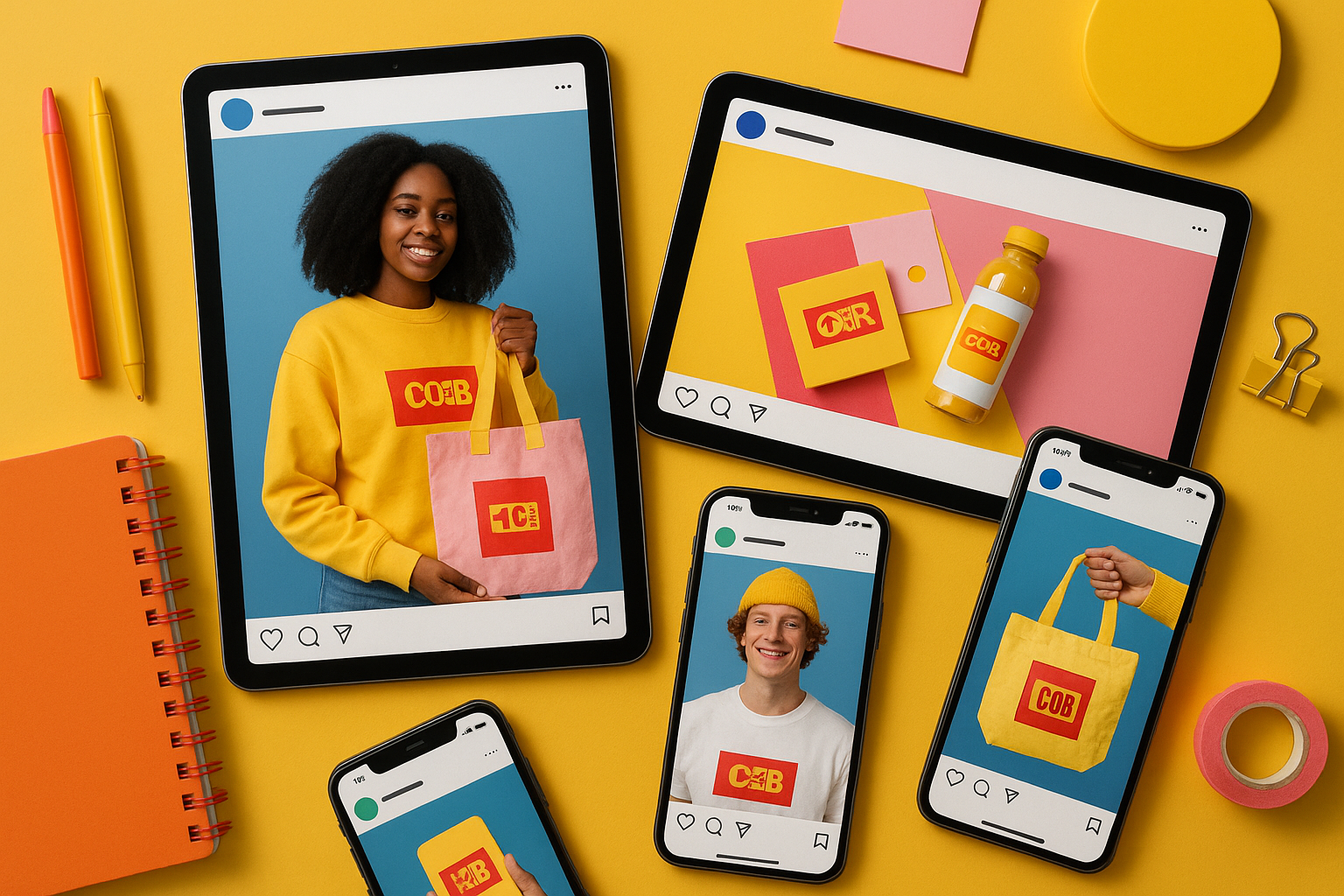
Spreading branded content on social media often challenges beginners who rely solely on posting without tailoring to the platform's specifics, resulting in low engagement. Analysis shows that success depends on adapting content to the social network’s format, actively engaging followers, and using targeted ads. For example, Instagram Stories with interactive polls helped blogger Anastasia increase reach by 40%, while a Facebook group created for brand product discussions boosted loyal audience growth by 25% in three months. A common mistake is thinking that simply posting is enough , it’s not. The logic is simple: social media favor content that sparks active reactions, so engagement drives visibility. Practical steps: 1) customize content per platform, 2) use polls and calls to action, 3) run targeted ads on the brand’s audience (Facebook Ads Manager is a key tool here). In conclusion, consistent effort,not one-off posts,delivers real audience growth.
Optimizing Collaborative Content for SEO to Drive Traffic
The problem with branded content is often its overly promotional nature, which can cause search engines to ignore or rank it lower. Analysis shows that without a clear SEO strategy, partnerships lose potential for audience growth. To avoid this, follow practical steps: first, naturally integrate keywords based on the brand's theme and your audience’s needs. Second, optimize meta tags and headings for better indexing. Third, use internal links to relevant content to boost page authority. For example, a blogger collaborating with an eco-cosmetics brand added keywords like "natural care" and "eco cosmetics" while linking to previous reviews, resulting in a 30% traffic increase within two months. Another case: a YouTube channel inserted SEO-optimized branded keywords in video descriptions, improving search rankings. A common rookie mistake is overly aggressive keyword stuffing, triggering search engine filters. Why does this work? Search engines value relevant, useful content over intrusive ads. Practical steps: 1) gather semantics using Serpstat or Ahrefs, 2) write content focused on information, not sales, 3) monitor indexing results in Google Search Console. This approach ensures steady audience growth and stronger SEO impact of collaboration.
Measuring the Impact of Brand Collaborations on Audience Growth
The challenge in measuring the effectiveness of brand collaborations lies in the lack of precise metrics to gauge real audience growth impact. Beginners often focus solely on likes or comments, neglecting deeper indicators. A comprehensive approach analyzing both quantitative and qualitative data is necessary. The solution is to use tools like Google Analytics to track traffic from branded content and social media analytics (such as Facebook Insights, Instagram Analytics) to understand engagement and audience growth. For example, a fitness blogger partnering with a sportswear brand used UTM tags to track clicks and saw a 30% increase in followers within a month. Another case is a cooking YouTube channel that leveraged Instagram Stories analytics to identify which branded content formats attracted more viewers, boosting reach by 40%. Why does this work? Because metrics provide objective data that drive strategic adjustments instead of blindly repeating ineffective actions. Practical advice: always set clear KPIs before starting collaboration and configure tracking immediately. Avoid the common beginner mistake of focusing only on “likes” – that’s a superficial metric. Make it a rule to conduct comprehensive analysis using trusted tools, and your brand partnerships will be truly impactful, not just visible.
Avoiding Common Pitfalls in Brand Collaborations
Common mistakes in brand collaborations often stem from mismatched goals and expectations, which undermine audience trust and reduce campaign effectiveness. For instance, a blogger who partnered with a cosmetic brand failed to research the partner’s reputation and lost follower trust after a product scandal. Another influencer didn’t tailor content to their audience, causing the campaign to flop. To avoid these pitfalls, follow these steps: 1. Clearly define shared goals and responsibilities. 2. Thoroughly research the brand using tools like Brand24 or SimilarWeb. 3. Prioritize your audience’s interests, not just the deal’s benefits. 4. Test content formats on small audience segments before full launch. One client used Brand24 to monitor brand sentiment, preventing partnership with a risky brand. Another ran test posts with varied content and identified what resonated best. Transparency and preparation minimize risks. Don’t rush into collaborations blindly , protecting your reputation is as crucial as growing your audience effectively. Apply these practices to avoid costly mistakes.
Analyzing Successful Brand Partnership Case Studies
A common issue for those starting brand collaborations is not clearly understanding what actually works in their niche. Analyzing real case studies is the best way to overcome this uncertainty. For instance, a blogger focusing on local Ukrainian brands used Instagram stories to showcase products in everyday life, resulting in a 40% audience reach increase within a month. Another example is a YouTube channel collaborating with a tech brand via in-depth reviews. Here, expertise and honesty boosted audience trust and grew subscribers by 25%.
Why does this work? The mechanism lies in showing concrete adaptation strategies tailored to the target audience instead of abstract theories. Beginners often make the mistake of trying to cover too broad a range of partners, which reduces effectiveness and trust. To replicate success, concentrate on tight alignment between the brand, your style, and audience. Use analytics tools like Google Analytics to track traffic and Brand24 for monitoring mentions. Simple steps: 1. Gather data on successful cases in your niche. 2. Identify key success factors. 3. Adapt them to your content. 4. Monitor results and adjust your approach. This approach provides not just inspiration but practical ways to maximize collaboration impact.
Building Long-Term Partnerships for Sustainable Audience Expansion
Long-term partnerships with brands are not just about exchanging content but about consistent interaction that builds audience trust. The problem is many beginners rely on one-off collaborations expecting instant results. Without consistency, growth is sporadic and unstable. For example, a blogger who ran joint campaigns with a single brand quarterly increased engagement by 25% within six months. Or an online store maintaining ongoing content with a partner saw steady growth in loyal audience and brand loyalty. Why does this work? Consistency creates habit for the audience and reinforces the brand's reliability. To replicate this success: 1) set clear goals and schedule joint activities, 2) regularly analyze audience response using tools like Google Analytics or Brandwatch, 3) maintain open communication with the brand to adjust strategies. A common mistake is neglecting partner communication, leading to broken collaboration. In summary, long-term partnerships are an investment in trust, yielding more sustainable and quality audience growth than one-time campaigns. Instant results shouldn’t be expected, but consistency and transparency always pay off.
Conclusion
The core issue lies in a superficial approach to brand collaborations, where the impact on the audience is underestimated or unmeasured. Consider a Ukrainian blogger who partnered with a niche eco-friendly brand and focused on deeply communicating shared values, they grew their audience by 40% within three months through targeted content and consistent feedback analysis. Another case involves a marketer who applied SEO optimization to branded materials and used Google Analytics to track effectiveness, increasing traffic by 25% while reducing ad spend. A common rookie mistake is neglecting long-term planning and focusing solely on immediate results, which erodes audience trust. Why does this work? Because a systematic approach combined with ongoing analysis allows strategies to adapt to real demand and user behavior. Practical steps: 1) clearly define collaboration goals, 2) integrate the brand organically into content, 3) optimize for SEO, 4) leverage analytics tools like Google Analytics or Ahrefs. Understanding these mechanics ensures steady audience growth without unnecessary risks. Do it right, and the results will follow.
Helps brands build social media communication that creates trust and brings results.
Comments (0)
Leave Your FeedbackNo comments yet — be the first to share your thoughts.