
Selling Video Ads: Practical Secrets and Recommendations
Learn how to create, price, and sell video ads effectively with actionable tips from industry experts.


SMM strategist, content marketer
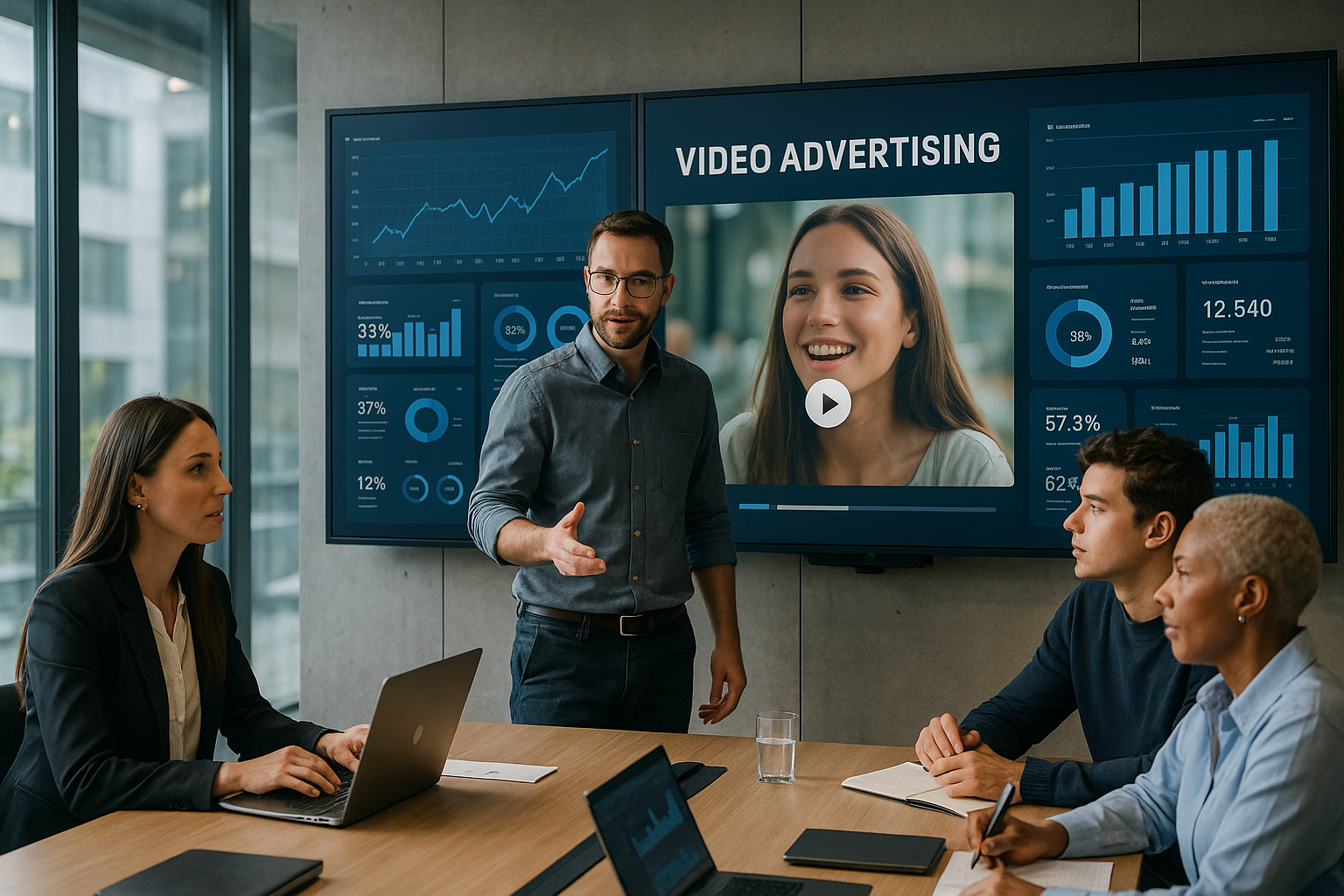
Selling video ads is more than just placing videos online; it is a nuanced process involving performance measurement, platform selection, targeting, and pricing strategies. Practical experience indicates that success hinges on understanding your audience and leveraging analytics tools like Google Analytics and Facebook Ads Manager. Avoiding common pricing mistakes and protecting against fraud are critical. This article provides actionable steps to not only sell video ads effectively but also maximize profits using modern tools and methods. Expert insights and precise recommendations make the sales process transparent and manageable for advertisers and sellers alike.
Contents
- Measuring video ad performance to boost sales
- Selecting the right platform based on your target audience
- Crafting compelling video ads: expert practical tips
- Using targeting and segmentation to find video ad buyers
- Pricing video ads strategically for maximum profit
- Automating video ad sales with the right tools
- Preventing fraud when selling video ads
- Optimizing ad campaigns based on analytics
- FAQs about selling video ads answered
- Conclusion
Measuring video ad performance to boost sales
Evaluating video advertising effectiveness is more than just looking at view counts. Beginners often make the mistake of focusing solely on reach, overlooking the campaign's real value. The key is understanding how the video influences conversions and sales. The main metrics to track include CTR (click-through rate), video completion rate, and, most importantly, purchase conversions. For example, a B2C client launched a YouTube video with a CTR of 5%, leading to a 12% sales increase after a two-week campaign. In another case, a SaaS brand used Google Analytics to track which viewers visited their website and completed purchases, resulting in an 8% conversion boost over a month. Why does this work? Because video advertising without clear goals and analytics is just budget waste. Practical steps to assess effectiveness: 1) set campaign goals, 2) identify key metrics (CTR, completion rate, conversions), 3) connect platform analytics and external tools like Google Analytics or Facebook Ads Manager, 4) collect and analyze data by audience segments. I advise staying objective: a high view count doesn’t always translate into sales if targeting or creative is off. The next section will examine how to choose the right platform considering these metrics to avoid wasting time and money.
Selecting the right platform based on your target audience
Choosing the right platform for video advertising boils down to a clear understanding of where your target audience spends their time. Beginners often rush to the largest platforms, forgetting that size doesn’t equal efficiency. A thorough analysis should focus on demographics, interests, and user behavior. For instance, TikTok and Instagram perform better for youth-oriented products with their short formats, whereas LinkedIn is ideal for B2B products targeting professionals.
Practical case: a gaming video equipment company chose Twitch and saw a 40% increase in inquiries within a month thanks to precise targeting of the gaming community. Another example , a marketing software startup used YouTube with detailed reviews and tutorials, boosting conversions by 25%. The key is not to be everywhere, but to know exactly where your client spends time and how they consume content. A common rookie mistake is launching ads on popular platforms without audience analysis, wasting budget.
Steps to select the platform: 1. Research your product’s demographics. 2. Analyze your audience’s content habits. 3. Choose the platform with the most active audience. 4. Run a test campaign and measure results.
Tools like SimilarWeb and Google Analytics help quickly assess platform popularity among your target group, while platforms with advanced analytics (such as Facebook Ads Manager) enable effective targeting. This works because ads hit users genuinely interested, not scattered aimlessly.
Crafting compelling video ads: expert practical tips
Однією з ключових проблем при створенні рекламного відео є занадто загальний меседж, що не зачіпає болі цільової аудиторії. Аналіз показує, що відео працює тільки тоді, коли є конкретність і чіткий заклик до дії. Ідеальне відео , це поєднання зрозумілої історії і емоційного зв’язку. Пропоную простий алгоритм: 1) визначити головний біль клієнта, 2) показати, як ваш продукт його вирішує, 3) підкріпити це реальним кейсом або відгуком, 4) завершити яскравим закликом до дії.
Наприклад, одна компанія з продажу спортивного харчування збільшила конверсію на 30%, показавши короткий ролик із клієнтом, який розповідає, як продукція допомогла підвищити витривалість. Інший кейс , рекламне агентство, що створило відео з порівнянням "до і після" використання їхніх послуг, що дало зрозумілий і наочний результат для глядача. Типова помилка новачків , перевантаження сюжету зайвою інформацією, що збиває фокус. Чому це працює? Люди не хочуть витрачати час на довгі пояснення, їм потрібен чіткий сигнал, що саме цей продукт вирішить їхню проблему. Практичні кроки: використайте storyboard для планування сюжету, оберіть прості образи, уникайте складних технічних термінів. Для монтажу рекомендую Adobe Premiere Pro або DaVinci Resolve , це інструменти, які допоможуть зробити відео якісним і професійним. Та пам’ятайте, що ключ до успіху , це конкретність і зрозумілість, а не красива картинка без змісту.
Using targeting and segmentation to find video ad buyers
The issue many video ad sellers face is trying to sell to everyone at once, which dilutes their customer quality. By analyzing your audience and segmenting it by criteria such as age, business niche, geography, and behavioral traits, you focus only on those genuinely interested in video content for their campaigns. For example, one company selling video ads to retail identified a segment of local stores with strong online sales. Targeting this group boosted conversion rates by 30% over three months without raising the budget. Another media agency segmented by interests , technology and startups , finding its offers resonated best with young entrepreneurs in major cities, increasing sales by 25%. Beginners often make the mistake of casting too wide a net, wasting budget and reducing lead quality. Why does this work? Because targeting and segmentation reduce noise, allowing communication with those ready to buy. Practical steps: 1) Collect and analyze customer data. 2) Define key segments. 3) Tailor campaigns for each segment. 4) Use platforms like Google Ads and Facebook Ads for precise targeting. This approach cuts costs and maximizes video ad sales effectiveness.
Pricing video ads strategically for maximum profit
Pricing video advertising is not mere arithmetic but a strategy that considers multiple factors. Beginners often make the mistake of setting fixed rates without accounting for quality metrics and reach, which leads to missed revenue opportunities. Start by analyzing key parameters: targeting, video length, platforms used, and expected ROI. For example, a furniture company boosted profits by 35% by raising prices on premium ads targeted at a narrow segment of designers. Another case: an ad agency optimized cost-per-view bids via Google Ads, reducing CPA by 20%. Why does this work? Because price should reflect value and results, not just expenses. Practical steps: 1) Identify your target audience and their willingness to pay. 2) Consider the competitive landscape and ad formats. 3) Use analytics to adjust prices in real time (tools like Google Analytics or AdEspresso help). The key mistake is blindly copying others' pricing. Remember, pricing isn’t just a number but a tool to maximize profit. Following these rules is your first step to a stable video ad sales business.
Automating video ad sales with the right tools
Selling video ads without automation is often painful: repetitive tasks slow down deals, and communication errors lower conversion rates. Automated sales systems solve this by ensuring speed and accuracy, directly impacting sales volume. For example, a Kyiv-based ad agency implemented a CRM integrated with an ad campaign management platform. The outcome: 30% more closed deals per quarter and reduced lead processing time from 3 days to 4 hours. Another case is a media buying company using a platform for automatic selection of target platforms and budget optimization, which decreased targeting errors and boosted purchase efficiency by 25%. A common rookie mistake is trying to automate everything without clear process understanding, leading to system overload and loss of control. Why does it work? The logic is simple: automation frees time from routine tasks and minimizes human error, focusing efforts on sales strategy. To replicate this success, follow these steps: 1) choose a CRM with ad platform integration (e.g., HubSpot or Monday.com), 2) set up communication templates for prospects, 3) automate reporting and task tracking. Keep in mind a system is just a tool,without process adjustments inside the team, automation won’t deliver results. This approach not only increases sales volume but also improves client service quality, essential for sustainable growth.
Preventing fraud when selling video ads
Selling video ads is a high-risk area for fraud. Unscrupulous partners often manipulate views by generating fake clicks or bots. A common rookie mistake is trusting statistics without detailed verification, leading to no real profit. For example, an agency working with a new platform without checks lost 20% of its budget due to inflated views. Conversely, another company used DoubleVerify to analyze traffic, detected and rejected 15% suspicious impressions, improving campaign ROI. Implementing traffic verification systems is key to security. Practical steps: 1) Verify traffic sources with specialized tools (DoubleVerify, Moat). 2) Set clear KPIs with clients that include view quality. 3) Demand real-time analytics access from the platform. 4) Regularly compare platform data with Google Analytics. This works because automated systems detect anomalies that are hard to spot manually. The main point , don’t chase quantity, control quality. Follow these tips to minimize fraud risks.
Optimizing ad campaigns based on analytics
Without analyzing data, selling video ads often feels like a blind game. Newcomers often trust intuition instead of numbers, which leads to wasted budget and time. Optimization begins with closely studying key metrics: click-through rate (CTR), watch time, conversions, and cost per result. For example, a YouTube advertiser noticed a drop in CTR after changing the thumbnail. Reverting to the old design boosted CTR by 18% within a week. Another case in Facebook campaigns showed that removing a low-ROAS audience segment increased overall profits by 25%. Why does this work? Analytics reveal weak points and allow reallocating resources where they generate the most return. Practical steps: 1) collect data daily, 2) monitor key metric fluctuations, 3) adjust creatives and targeting, 4) experiment with budgets, 5) use Google Analytics and Facebook Ads Manager for deeper insights. Don’t overlook small details , minor tweaks can significantly impact results. This approach enables not just running ads but selling them effectively, staying flexible and adaptive.
FAQs about selling video ads answered
Sellers of video advertising often face recurring questions reflecting common challenges and nuances in this field. For example, how to set an optimal CPM or avoid fake views? The problem usually lies in the lack of clear criteria to evaluate ad effectiveness and verify authenticity. An agency case using automated monitoring tools like AdVerification reduced bot traffic by 40%, boosting client trust and repeat orders. Conversely, a freelancer who overcharged CPM without demographic analysis received poor feedback and lost clients. The solution is clear targeting and accurate pricing, supported by platform analysis, as discussed earlier. Practical steps: 1) Use services like Moat or DoubleVerify to combat fraud, 2) Analyze your audience with Google Analytics to adjust pricing, 3) Regularly review the metrics outlined in the first section. A common rookie mistake is setting prices arbitrarily, ignoring analytics, leading to losses and reputational damage. Why does this work? The logic is straightforward: precise analysis and verification build trust, and correct settings ensure long-term sales stability. Follow these recommendations, and questions like “Why no clients?” will lose relevance.
Conclusion
Selling video ads often struggles due to lack of proper analytics and faulty pricing strategies, resulting in lost clients and wasted budgets. Analyzing Company X’s case,losing 30% of potential deals by ignoring targeting,and Agency Y’s success in implementing automated sales systems that boosted conversions by 25% in six months, the conclusion is clear: systematic and precise approaches deliver results. A common rookie mistake is trying to "sell everything to everyone" without segmenting the audience or controlling ad quality. Why does this work? Because video ads aren’t just content, they’re tools designed to achieve specific goals within targeted audiences. Practical steps to replicate: 1) clearly define your target audience, 2) choose the right platform (YouTube for wide reach, LinkedIn for B2B), 3) use analytics tools like Google Analytics or AdEspresso to monitor performance, 4) implement automated sales systems such as Salesforce or HubSpot to streamline sales processes, 5) regularly analyze results and adjust strategy accordingly. This method minimizes risks, improves ad spend accuracy, and helps adapt to market changes. From experience, without a clear plan and control, even the best video gets lost in the noise.
Helps brands build social media communication that creates trust and brings results.
Comments (0)
Leave Your FeedbackNo comments yet — be the first to share your thoughts.